What Happens If You Don’t Clean Your Oven Regularly?
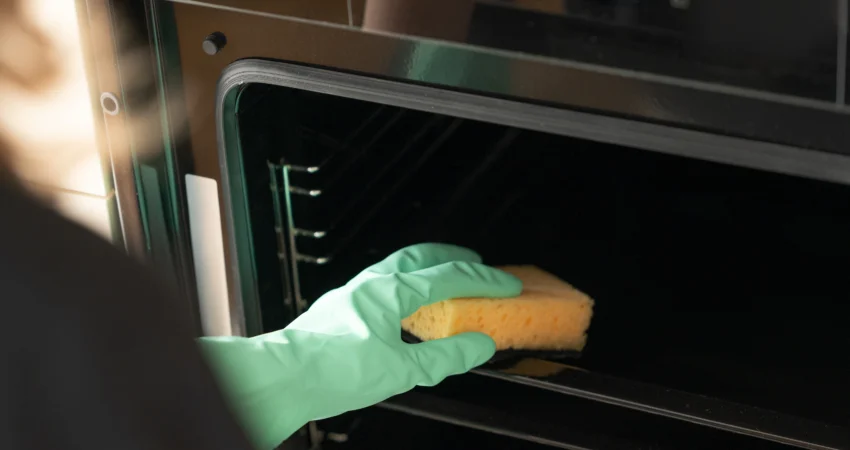
Your oven is one of the hardest-working appliances in the kitchen. From roasting meals to baking and reheating food, it can quickly collect grease, food splashes and burnt-on residue. While a small amount of mess is normal, leaving your oven uncleaned for long periods can make the build-up increasingly difficult to remove. Regular maintenance can help keep an oven in better condition, but there are times when everyday wiping is no longer enough. This is when professional oven cleaning can be useful, particularly when grease and baked-on food have accumulated over time.
For households in Merthyr Tydfil and the surrounding areas, understanding when an oven needs more attention can help you keep your kitchen cleaner and avoid allowing small spills to become stubborn deposits. Professional cleaners can also help when an oven requires a more thorough clean than you have time or equipment to handle yourself.
So, what actually happens if you don’t clean your oven regularly? Here are some of the common issues to be aware of.
1. Grease and Food Residue Build Up
Every time you cook, small amounts of grease, oil and food can land inside your oven. Some of this residue may be wiped away during routine cleaning, but anything left behind can become harder to remove.
Over time, repeated cooking can create layers of baked-on residue. Once this happens, a quick wipe may no longer be enough.
Regular cleaning helps prevent small amounts of residue from becoming a much larger cleaning job.
2. Baked-On Food Becomes Harder to Remove
Food spills can become firmly attached to oven surfaces when they are exposed to heat repeatedly.
A small spill that might have been relatively easy to clean when fresh can become a stubborn mark after several cooking cycles.
This is one reason it is useful to deal with spills when the oven has cooled safely rather than allowing them to accumulate over weeks or months.
3. You May Notice More Smoke or Cooking Odours
Old food and grease can produce noticeable smells when the oven becomes hot.
If residue is repeatedly exposed to high temperatures, you may notice unpleasant cooking odours or, in some situations, smoke from accumulated grease or food debris.
Smoke from an oven should not simply be ignored. If you notice unusual or persistent smoking, switch the appliance off when safe to do so and investigate the cause. If you are concerned about the appliance itself, follow the manufacturer’s guidance or seek appropriate professional advice.
Cleaning can remove ordinary food and grease residue, but it is not a substitute for repairing an appliance fault.
4. The Oven Glass Can Become Dirty
The oven door is another area that can gradually collect grease and food splashes.
A dirty glass door can make it harder to see food while it is cooking. Built-up residue can also make the oven look less clean even when the rest of the kitchen is tidy.
The glass should be cleaned using a method suitable for the oven manufacturer’s instructions. Avoid abrasive products or techniques that could damage the surface.
5. Racks and Trays Can Collect Residue
Oven racks and trays are exposed to spills, grease and food particles every time they are used.
If they are not cleaned regularly, residue can build up and become difficult to remove. Taking removable parts out and cleaning them according to the manufacturer’s recommendations can make routine oven maintenance easier.
For heavily soiled racks, trays and oven interiors, professional oven cleaning may be worth considering.
6. Cleaning Can Take Longer
The longer an oven goes without a proper clean, the more time you may need to spend bringing it back to a manageable condition.
Instead of dealing with a small amount of residue regularly, you may eventually face layers of grease and baked-on food.
This does not mean every oven needs professional cleaning on a fixed schedule. How often you need it depends on factors such as how frequently you cook, what you cook and the condition of the oven.
7. Everyday Cleaning May No Longer Be Enough
Routine cleaning is important, but some ovens eventually need more detailed attention.
If you have tried normal cleaning methods but the oven still has significant grease, residue or difficult-to-reach build-up, professional cleaners can provide a more thorough service.
A professional service may focus on accessible areas such as the oven interior, racks, trays, door and other agreed surfaces. The exact work depends on the service and the oven itself.
How Can You Keep Your Oven Cleaner Between Professional Visits?
You do not need to wait until your oven becomes heavily soiled.
A few simple habits can help:
- Wipe suitable surfaces after spills have cooled safely.
- Clean trays and racks regularly.
- Avoid allowing grease to accumulate.
- Check the oven door and glass periodically.
- Remove loose food debris when appropriate.
- Follow the manufacturer’s cleaning and safety instructions.
These steps can make future cleaning easier and help you spot problems before they become more noticeable.
When Should You Consider Professional Oven Cleaning?
There is no universal rule that says every household needs an oven professionally cleaned at a particular interval.
Consider the oven’s condition instead.
Professional oven cleaning may be useful when you notice substantial grease, stubborn baked-on food, difficult-to-clean racks or trays, or residue that has built up over an extended period.
It can also be useful before occasions such as moving out or preparing a property for a new tenant, depending on the cleaning requirements.
For residents across Merthyr Tydfil and the surrounding area, JL and TM Cleaning provides professional cleaning services for local homes and businesses. Discussing the condition of your oven beforehand can help establish what cleaning is required.
Need Help With Your Oven?
If your oven needs more than a routine clean, JL and TM Cleaning can discuss your requirements and provide a quote for professional oven cleaning across Merthyr Tydfil and surrounding areas.